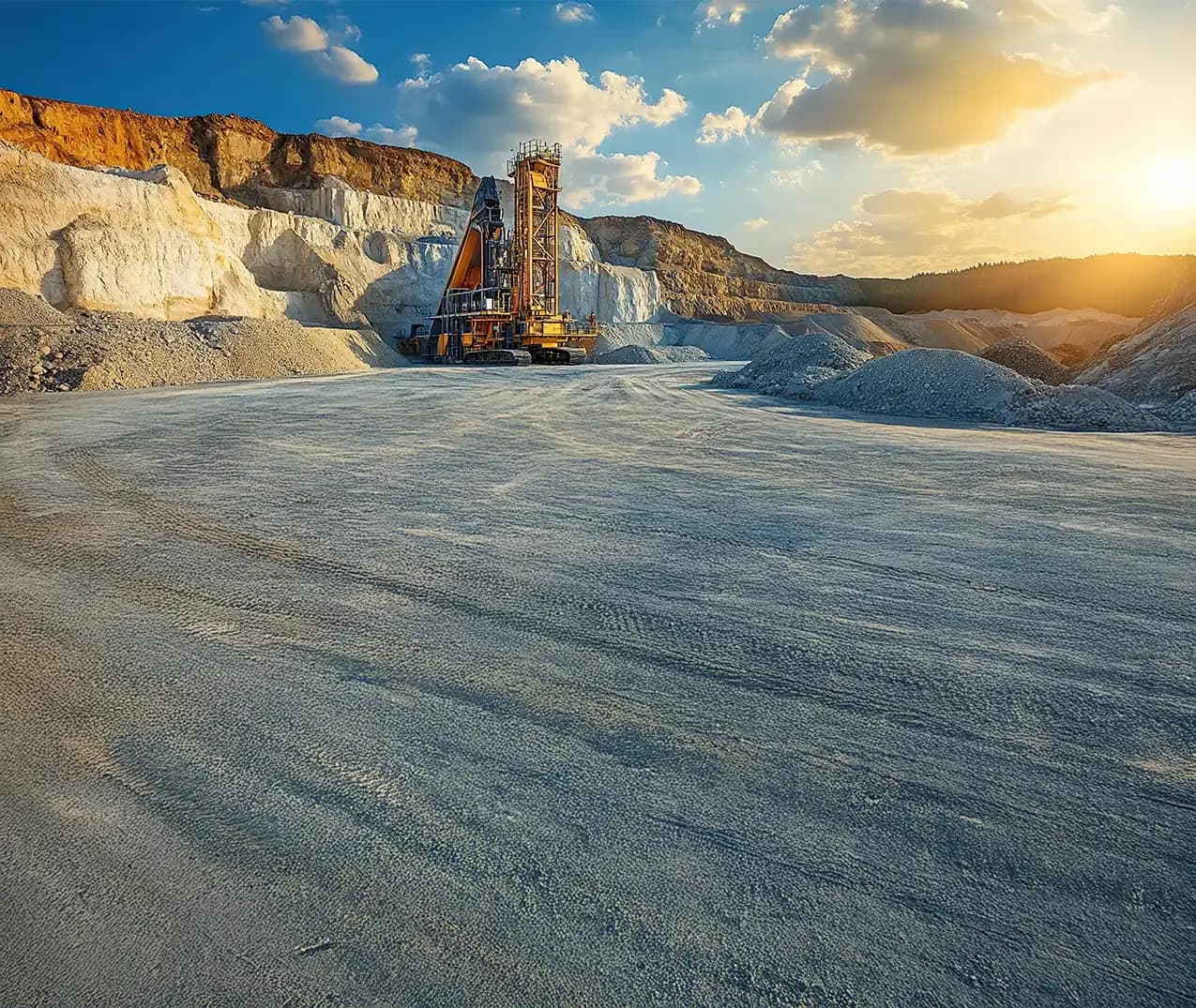
The demand for efficient material handling and processing has grown across construction, mining, agriculture, and landscaping industries. At the center of this workflow is screening gravel equipment—a powerful solution that separates, sorts, and classifies materials with precision. Whether you’re running a large-scale quarry or managing small construction projects, the right stone and dirt screening system can significantly increase productivity and reduce operational costs
In this guide, we break down how screening equipment works, why industries rely on it, and how it enhances every stage of material handling.
What Is Screening Gravel Equipment?
Screening gravel equipment is designed to separate materials based on size, density, or composition. From large rocks to fine soil, this equipment ensures that the right materials continue through the process while unwanted debris is removed.
Most industrial setups use:
- Stone sifting equipment
- Material screening equipment
- Dirt separator systems
- Heavy-duty rock & dirt separators
These machines vary in size and capacity, but all serve the same purpose: efficient, accurate separation and classification.
Why Industries Depend on Screening Gravel Equipment
1. Improved Efficiency and Output
One of the biggest advantages of using screening gravel equipment is the ability to process large quantities of materials quickly. Instead of hand sorting or using outdated machinery, screening systems streamline every step of the workflow.
Benefits include:
- Faster material processing
- Accurate sizing and grading
- Reduced downtime
- Consistent performance across multiple material types
This matters especially for construction companies that must meet strict timelines and quality standards.
2. Cost Savings Across Operations
Industries can significantly reduce labor costs, waste, and equipment wear by using advanced stone sifting equipment.
Cost-saving advantages:
- Less manual labor
- Reduced equipment strain
- Minimized material loss
- Lower fuel and maintenance expenses
For companies handling rock, gravel, and soil, these savings add up quickly over the course of a project.
3. Higher-Quality Material Output
In industries like landscaping, road building, and concrete production, material quality determines final product performance.
Screening equipment ensures:
- Uniformity in material size
- Clean separation between dirt, rocks, and debris
- Consistent quality for project requirements
Contractors don’t have to worry about oversized rocks in gravel mixtures or soil contamination in aggregate blends.
4. Versatility for Multiple Industries
Material screening equipment is used across several sectors:
| Industry | Application |
| Construction | Separating gravel, dirt, and debris for site prep and concrete work |
| Mining | Sorting minerals and aggregates |
| Landscaping | Creating clean, uniform fill, mulch, and decorative rock |
| Agriculture | Soil refinement and debris removal |
| Infrastructure Projects | Screening materials for roads, drainage systems, and foundation layers |
Its versatility is what makes screening systems a must-have for modern industrial operations.
5. Reduced Equipment Wear and Damage
Heavy machinery is expensive to repair or replace. By using dirt separator construction equipment, contractors can protect crushers, conveyors, and hauling trucks from unnecessary stress.
Screeners remove:
- Oversized rocks
- Sticks
- Organic debris
- Compact soil clumps
This ensures other machinery handles only the appropriate material, extending lifespan and performance.
How Screening Equipment Improves Project Outcomes
Better Site Preparation
Clean, screened materials are essential for stable foundations, leveling pads, drainage layers, and backfilling.
Reliable Material Supply Chain
When material is consistently screened, companies can maintain predictable inventory levels and reduce waste.
Safer Job Sites
Removing oversized rocks and debris reduces the risk of equipment jams and operator injuries.
Better End-Product Quality
From mixes to decorative gravel, high-quality screened material means better final results.
Types of Screening Gravel Equipment Used Today
1. Static Grizzly Screens
These are durable, no-power-required separators built for heavy-duty material classification.
Perfect for:
- Rock quarries
- Construction debris
- High-volume aggregate production
2. Vibrating Screens
These machines use vibration to sort materials more precisely based on size and density.
Ideal for:
- Fine material separation
- Soil and gravel refinement
3. Trommel Screens
Rotating barrel-style screens commonly used in composting, recycling, and soil processing.
4. Integrated Dirt Separator Systems
Designed for construction sites that need fast rock-and-dirt separation.
Read more about – dirt separator construction
These systems offer portable, on-site screening without major setup.
Why Choose D Rock Grizzly Screening Systems?
D Rock Grizzly specializes in heavy-duty, efficient, and durable screening equipment engineered for demanding industrial environments. Their products provide:
- Reliable separation for multiple material types
- Long-lasting steel construction
- Low maintenance and easy operation
- Flexible sizing options
- High performance in rugged conditions
Whether you’re working with gravel, stones, soil, or mixed material loads, their equipment delivers consistent, high-quality results.
Conclusion
Screening gravel equipment is essential for improving material quality, boosting project efficiency, reducing costs, and ensuring safety across a variety of industries. From construction to mining to landscaping, the right stone and dirt screening tools can dramatically improve workflow and product consistency.
For contractors who need dependable screening solutions, D Rock Grizzly provides advanced equipment built to handle tough job sites and high-volume production demands.
Looking to streamline your material handling and improve productivity?
Explore D Rock Grizzly’s heavy-duty screening equipment today and see how the right tools can transform your operation.
It separates materials like gravel, dirt, rocks, and debris based on size or density to improve material quality and workflow efficiency.
Construction, mining, agriculture, landscaping, and infrastructure development rely heavily on screening systems
Dirt separators help sort materials quickly, reducing equipment wear and improving overall project efficiency.
It ensures uniform sizing, removes contaminants, and delivers clean, consistent aggregates for various applications
They offer rugged, long-lasting, and high-performance screening equipment designed for demanding industrial conditions