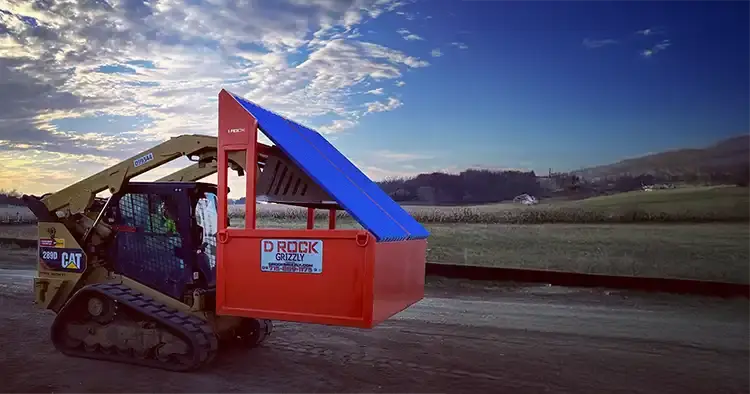
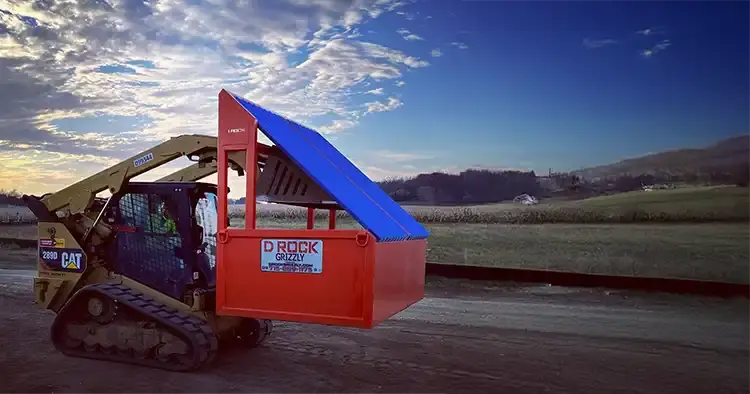
Sorting rocks from soil is a backbreaker—unless you’ve got a rock separator machine in your corner. These workhorses, like D Rock Grizzly’s TR6, turn mixed dirt into clean aggregates, saving time and sweat on jobs from landscaping to construction. But what can a rock separator machine really handle? From tiny gravel to hefty boulders, let’s explore the range of materials and tasks these machines crush, drawing on the grit of industry-standard equipment.
1. Fine Gravel and Pebbles
A rock separator machine excels at sifting small stuff—think pea gravel or 1-inch pebbles mixed with soil. The TR6, for instance, is used to catch gravel while letting fine topsoil fall through. This is perfect for prepping clean fill for lawns or driveways. Machines like circular vibrating screens can handle outputs from 10-1000 tons, screening particles up to 400mm, making them ideal for high-volume gravel sorting.
2. Medium Rocks and Debris
Got fist-sized rocks or construction debris? A rock separator machine like the TR6 tackles medium materials with ease. Its heavy-duty steel grate sorts rocks up to 12 inches, separating them from sand or mulch for reuse in pathways or retaining walls. Roller screens, another type, use rotating shafts to flip and sift mid-sized stones, handling coal, ore, or building waste without clogging. This versatility suits residential cleanups or small-scale excavation.
3. Larger Boulders
While most rock separator machines focus on smaller aggregates, some can manage bigger boulders—up to 12-18 inches—depending on design. The TR6, built for compact skid steers, sorts angular glacial boulders from sandy loam, ideal for ATV trails or septic fill. For oversized rocks, you’d pair it with a bucket to pre-sort giants, but the separator handles the rest, ensuring clean fill. Heavy-duty trommel screens can also process larger inputs, separating tough materials like mud-wrapped stones.
4. Muddy or Sticky Materials
Sticky, high-mud-content soils are a nightmare, but a rock separator machine like a roller or butterfly screen thrives here. These machines, designed for viscous materials, crack and disperse mud-wrapped stones, improving screening rates without water-heavy washing. The TR6’s optional cleaning bar clears trapped debris, keeping the flow steady for wet or clay-heavy jobs like gold panning or coastal landscaping.
5. Specialty Applications
Beyond rocks, a rock separator machine can sort oddball materials—think construction waste, coal gangue, or even manure. The TR6’s let it sift trash from beach sand or rocks from compost, making it a multi-tool for niche tasks. Modular roller screens, with low energy use, can run 24/7 for industrial jobs, screening everything from ore to domestic waste. This flexibility boosts efficiency for small contractors or hobbyists.
6. Limits and Pairings
No rock separator machine does it all. The TR6 isn’t built for massive quarry boulders—those need crushers or excavators first. For mega volumes, pair it with a vibrating or trommel screen for continuous high-capacity sorting. Compact operations, though, thrive with a skid steer rock separator, turning dirt into usable gravel, topsoil, or road base in a single pass.
Sort Smarter, Work Less
From gravel to boulders, a rock separator machine like D Rock Grizzly’s TR6 handles a wild range—fine pebbles, sticky mud, even construction debris—with compact power. It’s your ticket to clean aggregates and faster jobs. Ready to ditch the shovel? Reach out to D Rock Grizzly for a rock separator machine that transforms your material game—they’ll set you up to sift like a pro.
FAQs About Rock Separator Machine
A rock separator machine can handle a wide range—from fine gravel and small pebbles to larger boulders, sticky clay, and even construction debris.
Yes. Machines like roller or butterfly screens are designed to handle high-moisture soils, dispersing mud-wrapped stones without clogging.
The TR6 is ideal for compact job sites and can sort materials like gravel, sand, and medium-sized rocks, making it great for landscaping and small construction projects.
Sand and gravel are separated using grizzly bars or screening systems, where sand passes through gaps while gravel is retained — solutions like D Rock Grizzl make this process efficient and reliable.
For high-capacity needs, rock separators like the TR6 can be paired with vibrating or trommel screens to handle larger volumes and materials efficiently.
Yes, they can also sort construction waste, compost, coal gangue, and other specialty materials depending on the machine configuration.